
Bank Tower
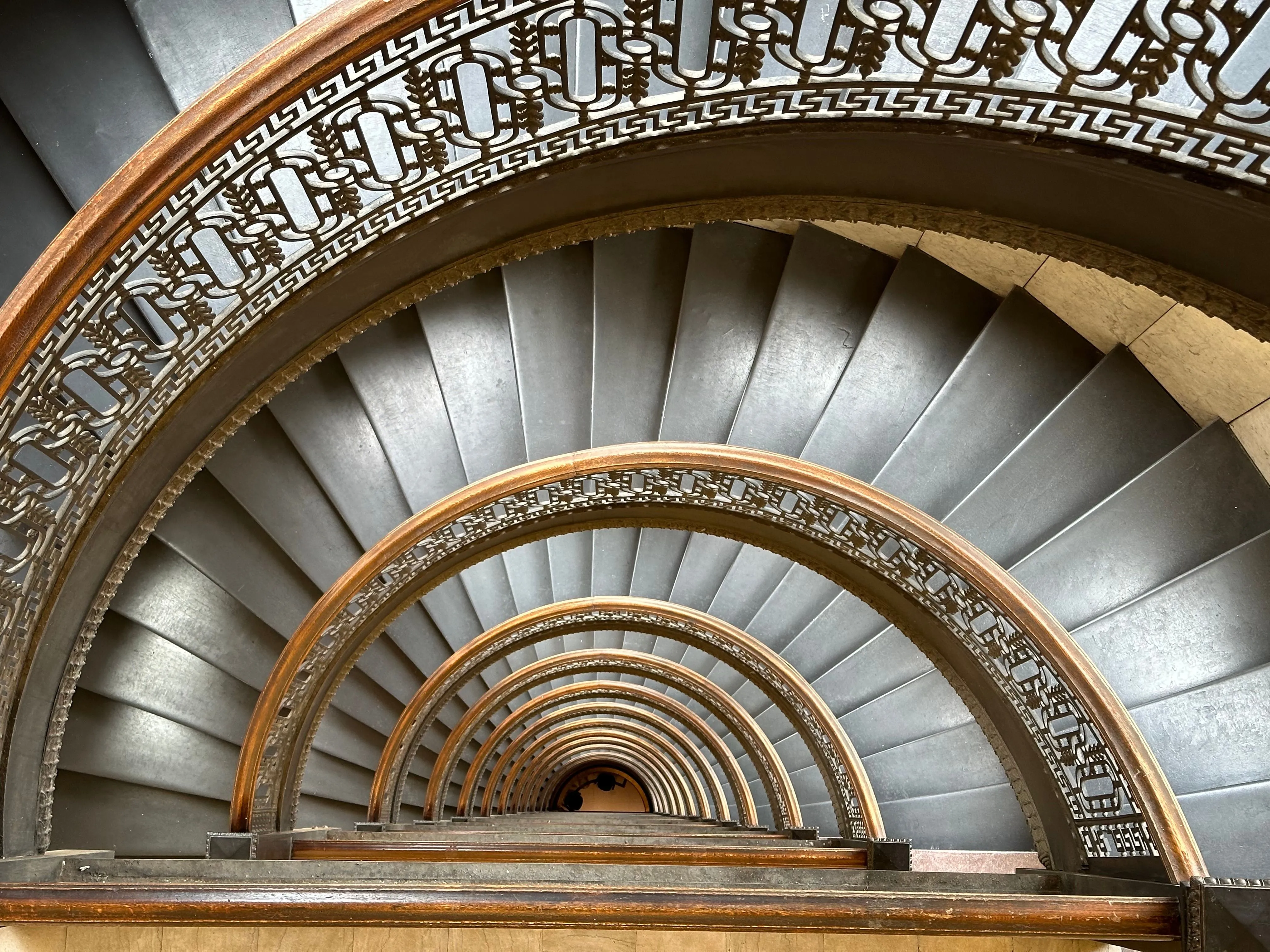
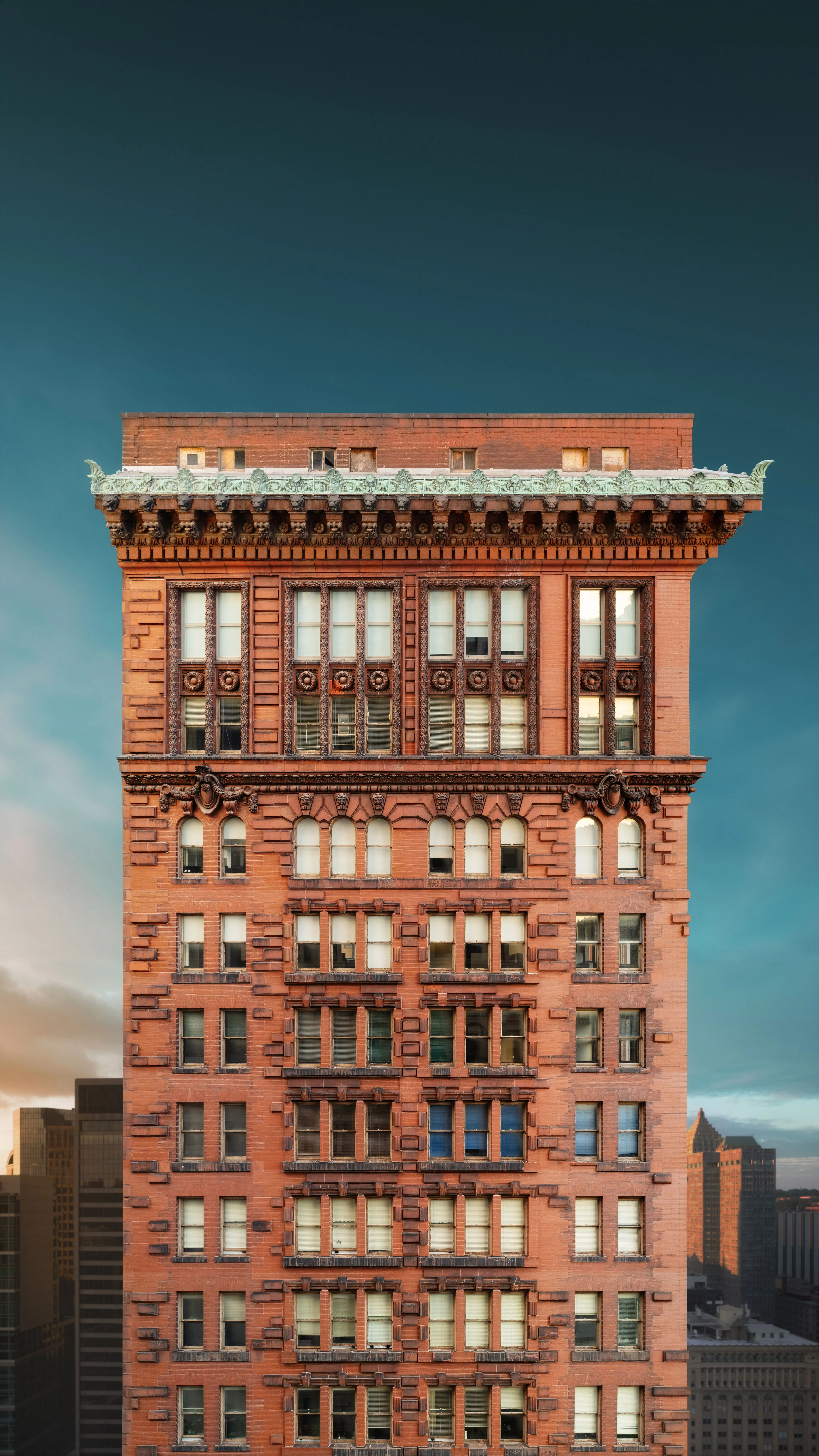
Bookending the block with another Alden & Harlow tower, this skyscraper for Peoples Savings Bank stands out for its extraordinary ornamentation. Most of it is deliberate, with elaborate carvings and decoration in the Classical and Renaissance blend known as Beaux-Arts that was in fashion during the era.
One unusual feature — the seemingly random speckled pattern of horizontal bricks up the sides — is due to deterioration. A midcentury maintenance job manhandled the facade, lopping off any terracotta bits that were loose or unstable.
The skyscraper’s top three stories originally contained the Monongahela Club, a private aerie for rising young business mavens impatient with a multiyear waiting list at the Duquesne Club across town. Nestled in mahogany and oak paneling, members could hold private meetings, dine in splendor, and play billiards. Its 500 slots sold out, but the group lasted only five years, partly because the Duquesne Club expanded and members deserted for the more established institution.
The building was rebranded as the Bank Tower in a 1976 remodeling that also turned the adjoining Colonial Trust into a short-lived shopping mall. The name stuck, a considerable marketing triumph on a street lined with towering banks.
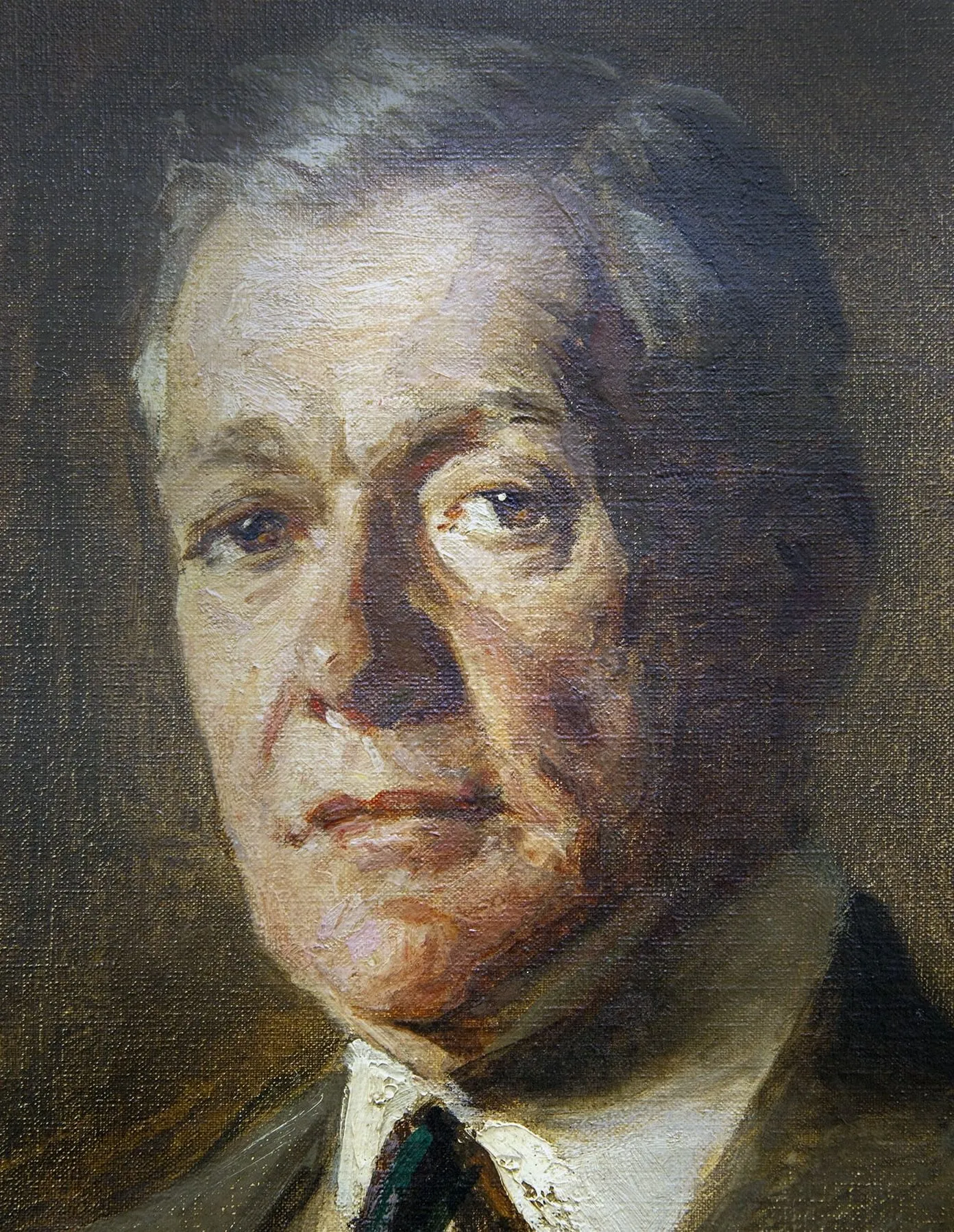
John Massey Rhind
The couple carved in pink granite relief above the entrance who seem not to mind sharing a seat with a beehive — a symbol of industriousness — are by John Massey Rhind. A celebrated Scottish-American sculptor, Rhind defied his dad, who advised him not to emigrate to the United States, citing a supposed lack of sculptural appreciation here. “You’ll starve,” claimed Rhind’s father.
To the contrary, the move worked out well. Rhind won an 1891 contest to sculpt the bronze doors of Trinity Church on Wall Street as a memorial to John Jacob Astor, and went on to design public sculptures throughout the United States. Besides this building, Alden & Harlow also had him do the quartet of Shakespeare, Michelangelo, Galileo, and Bach seated outside the Carnegie Museum.
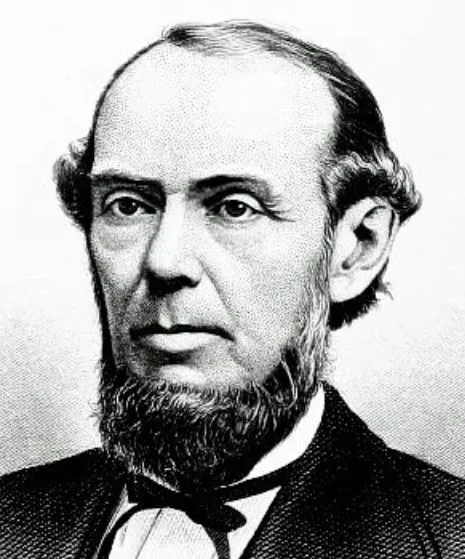
Henry Lloyd
As a young clerk, Henry Lloyd worked for a boat company that transported passengers and freight across Pennsylvania via the old Main Line Canal. Initially stationed in Hollidaysburg, where people and goods were hauled up and over the Allegheny Mountains, he came to the firm's Pittsburgh office in 1848.
Lloyd and partners invested in a mill near the Monongahela wharf, the Kensington Iron Works, which manufactured bars, hoops, nails, and other metal implements. He founded Peoples Savings Bank in 1866, and his son, David, was the bank’s president when this skyscraper was built.