

Keystone Bank
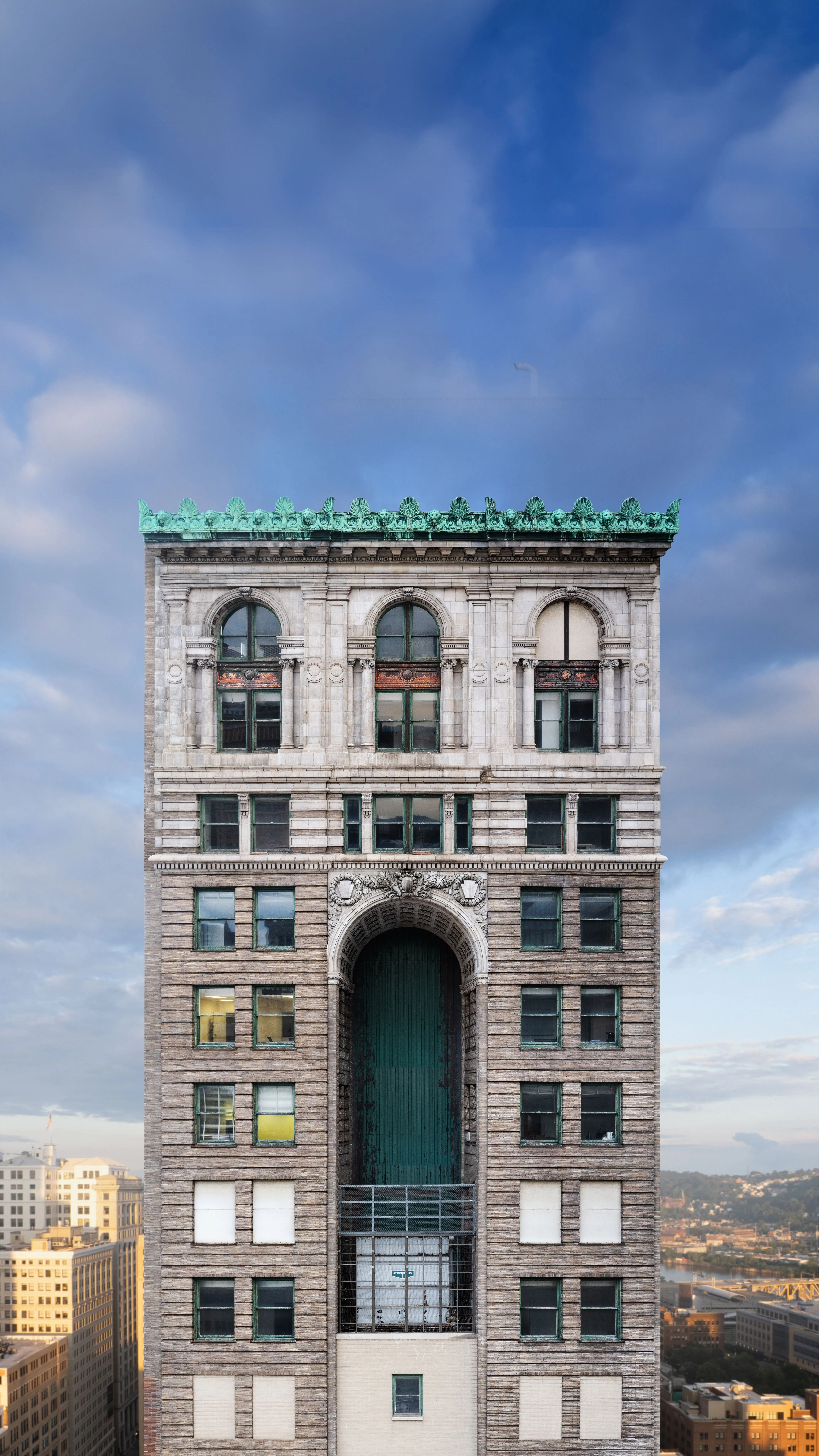
Alterations to adapt this structure for use as a data center, such as filling in part of its arched light court, haven’t completely spoiled its status as a showpiece of the avenue. The bank was formed by a tycoon who arose in the mad rush for oil after Drake’s well first gushed in northwestern Pennsylvania in 1859.
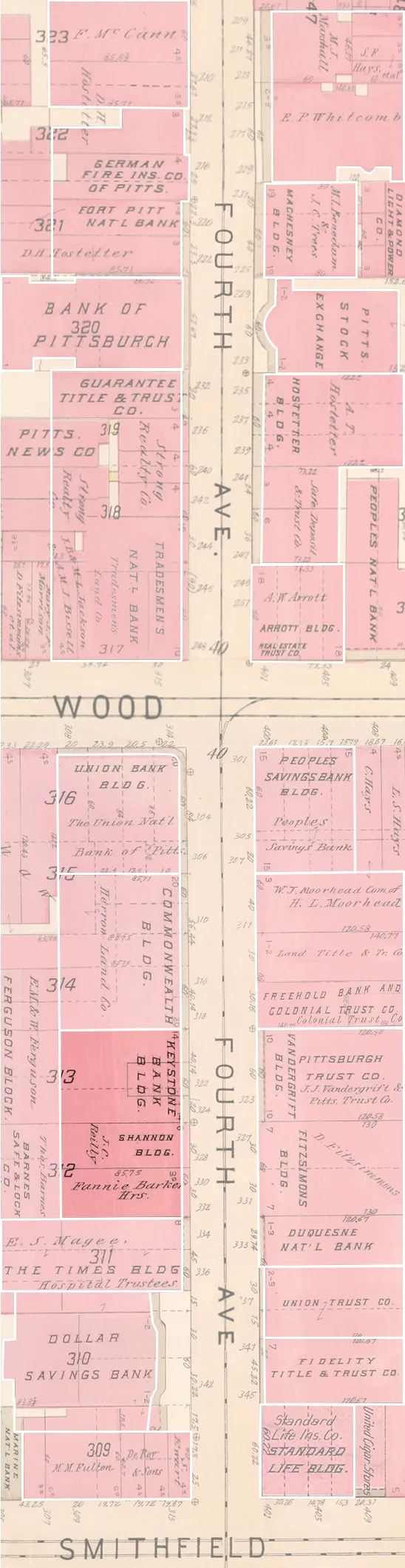
Jacob Vandergrift made a fortune shipping crude oil — first in barges, later in pipelines — down the Allegheny River from the wellheads to the first refineries in Pittsburgh. His riches allowed him to charter a spectacular Petroleum Exchange just up the street, where this bank opened its first office, and the hulking Vandergrift Building, which faced this building across Fourth Avenue until 1959, when it was demolished for a parking lot (now the Pittsburgh Playhouse). Vandergrift died at work in that eponymous office block in 1899, so he never saw this skyscraper, which opened in 1902.
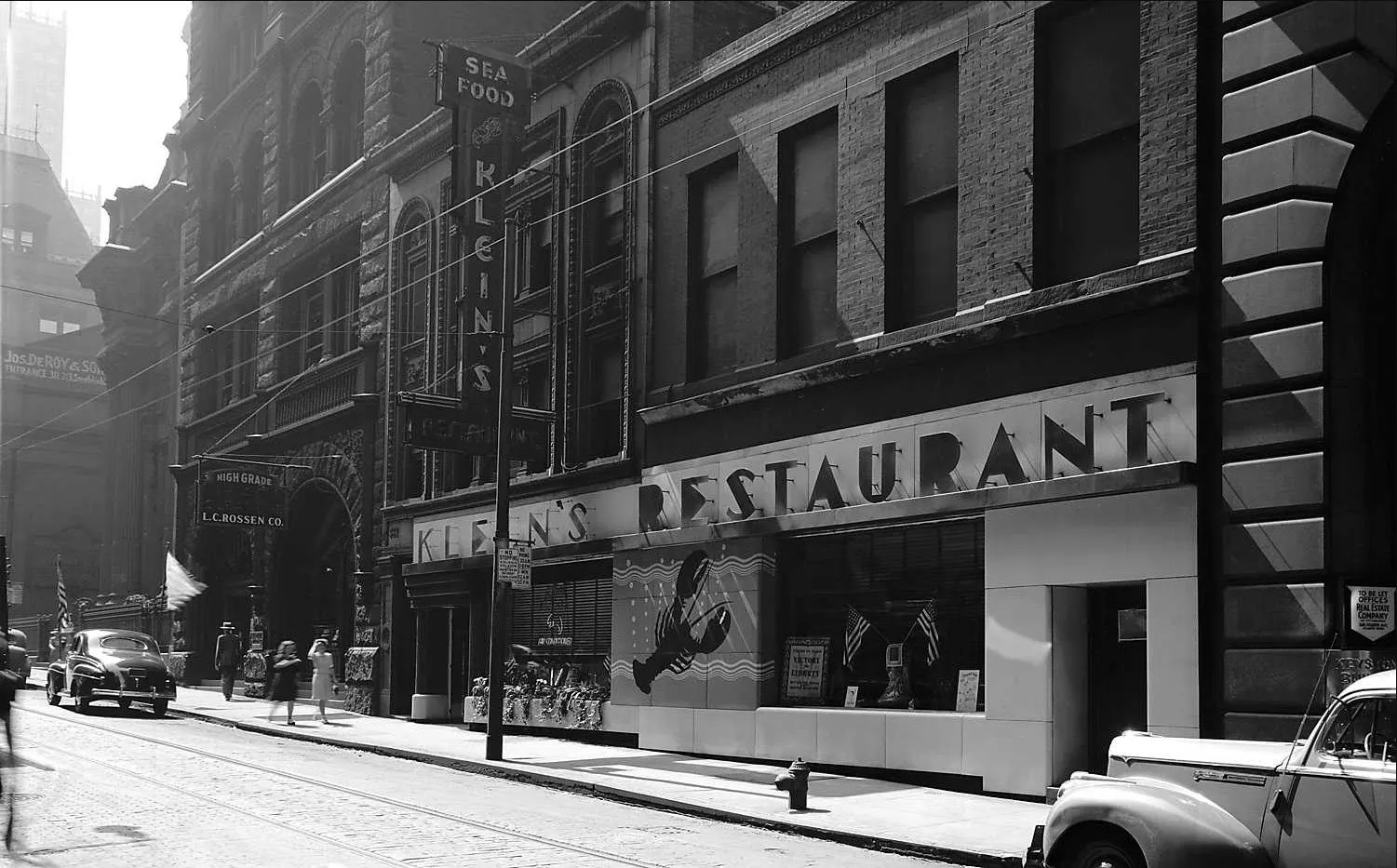
Another building torn down for parking spaces was Klein’s Restaurant. It stood was just to the left of Keystone Bank, and you can still see its outline in the bricks of the Times Building.

Jacob Vandergrift
When the Civil War halted Jacob Vandergrift’s business of shipping coal barges down the Ohio and Mississippi rivers to New Orleans, the riverboat captain sold his prized steamer Conestoga to the government to be turned into a gunboat and found a new opportunity. He towed 4,000 empty barrels up the Allegheny to the oil fields in northwestern Pennsylvania to transport the black gold, then in demand as a plentiful alternative to sperm whale oil for fueling lamps.
Vandergrift soon built a fleet of barges that could haul the oil in bulk without barrels, and also pioneered the construction of oil pipelines. He sold his holdings to Standard Oil, a Cleveland conglomerate that eclipsed Pittsburgh in oil thanks that city’s cheaper railroad shipping rates to East coast markets. The captain's Conestoga Building, one of Pittsburgh’s first steel-framed office buildings, still faces the Monongahela River, whose waters his steamboats once plied. Vandergrift also lent his name to a mill town on the Allegheny River he helped to establish in 1895.
Joseph & Hannah Klein
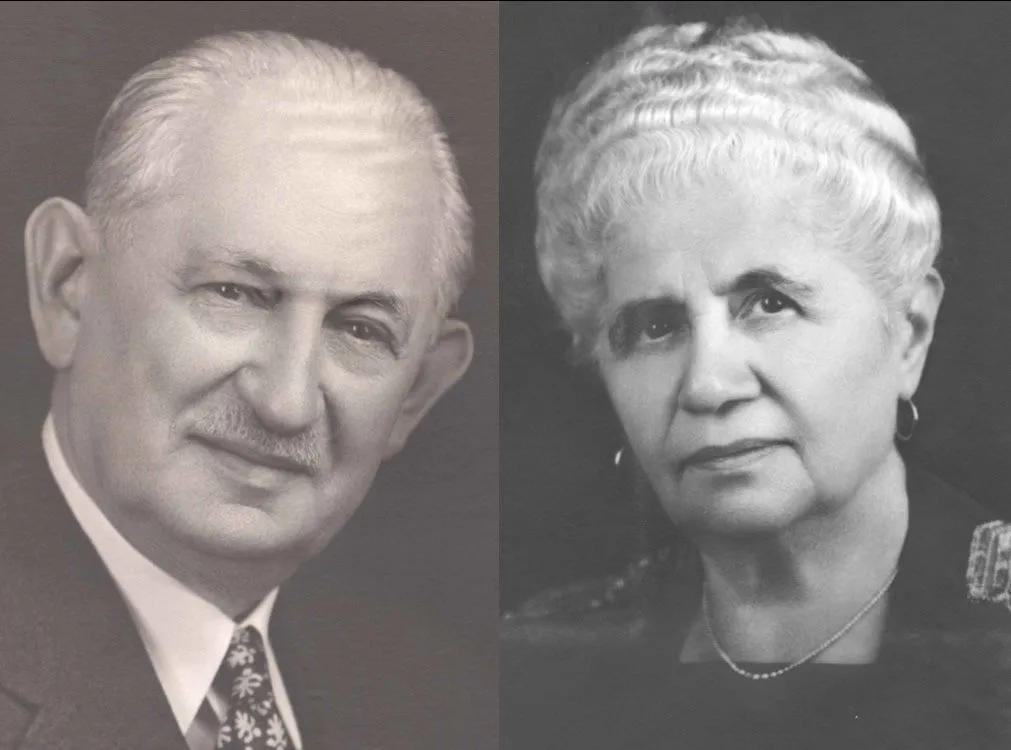
The day she arrived in Pittsburgh from Hungary at the age of 14, Hanna Haupt met Joseph Klein, a liquor wholesaler who also hailed from her homeland. He offered to teach her English; they married two years later and opened a café, serving up kosher foods and recipes from the old country.
Their establishment relocated repeatedly as it grew, eventually settling on Fourth Avenue in 1935. But the biggest change had already come three years earlier, when the Kleins and their children switched the menu from delicatessen fare to non-kosher seafood, including fried clams, oysters, and lobster. After four generations of family ownership, the restaurant closed in 1992.