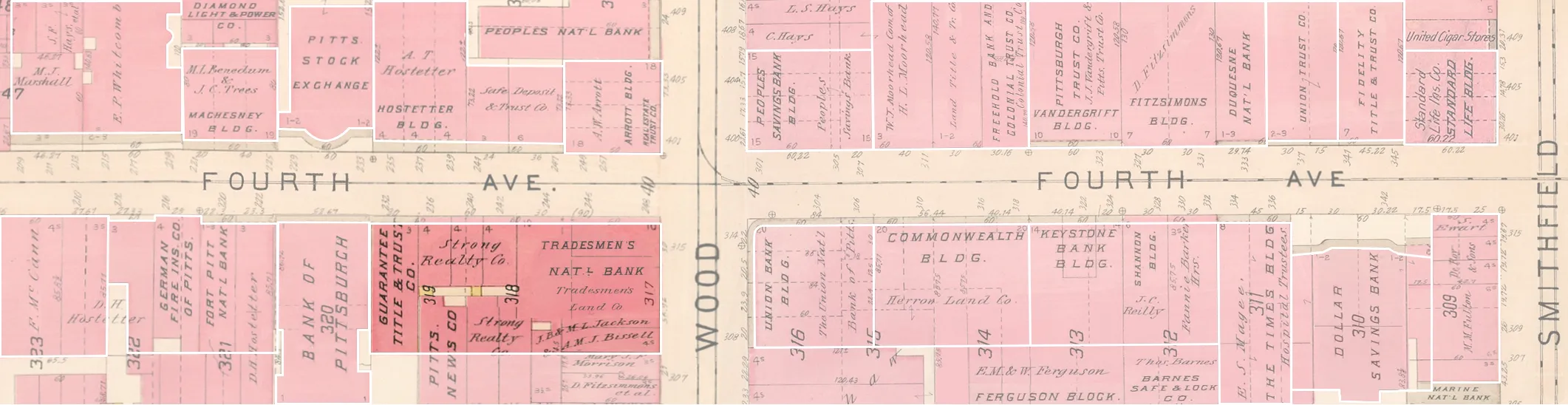

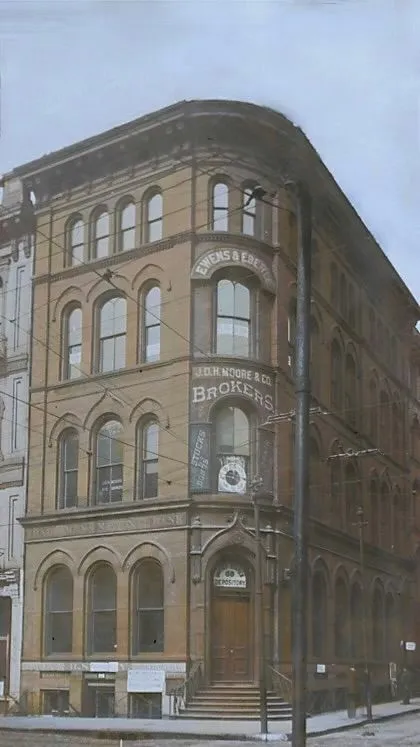
Tradesmens National Bank
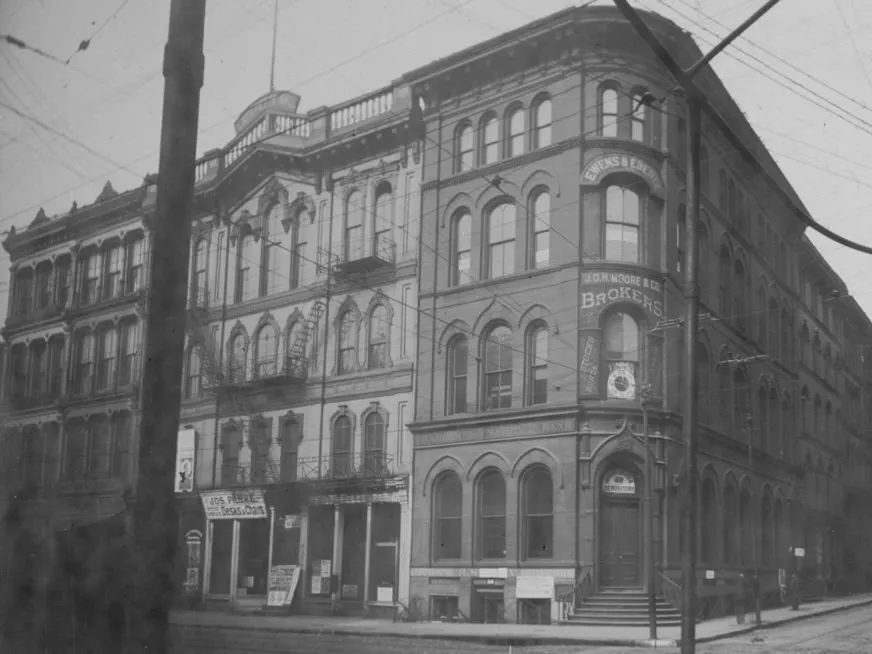
A bank skyscraper stood on this corner for over half a century, but there are far more interesting stories to tell about the buildings it replaced and the one that replaced it.
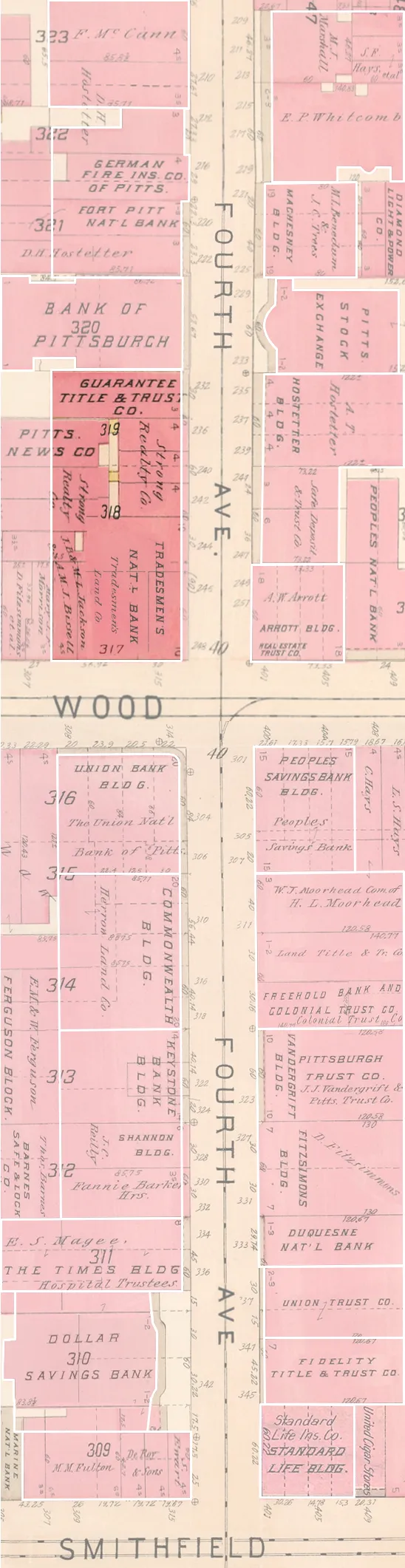
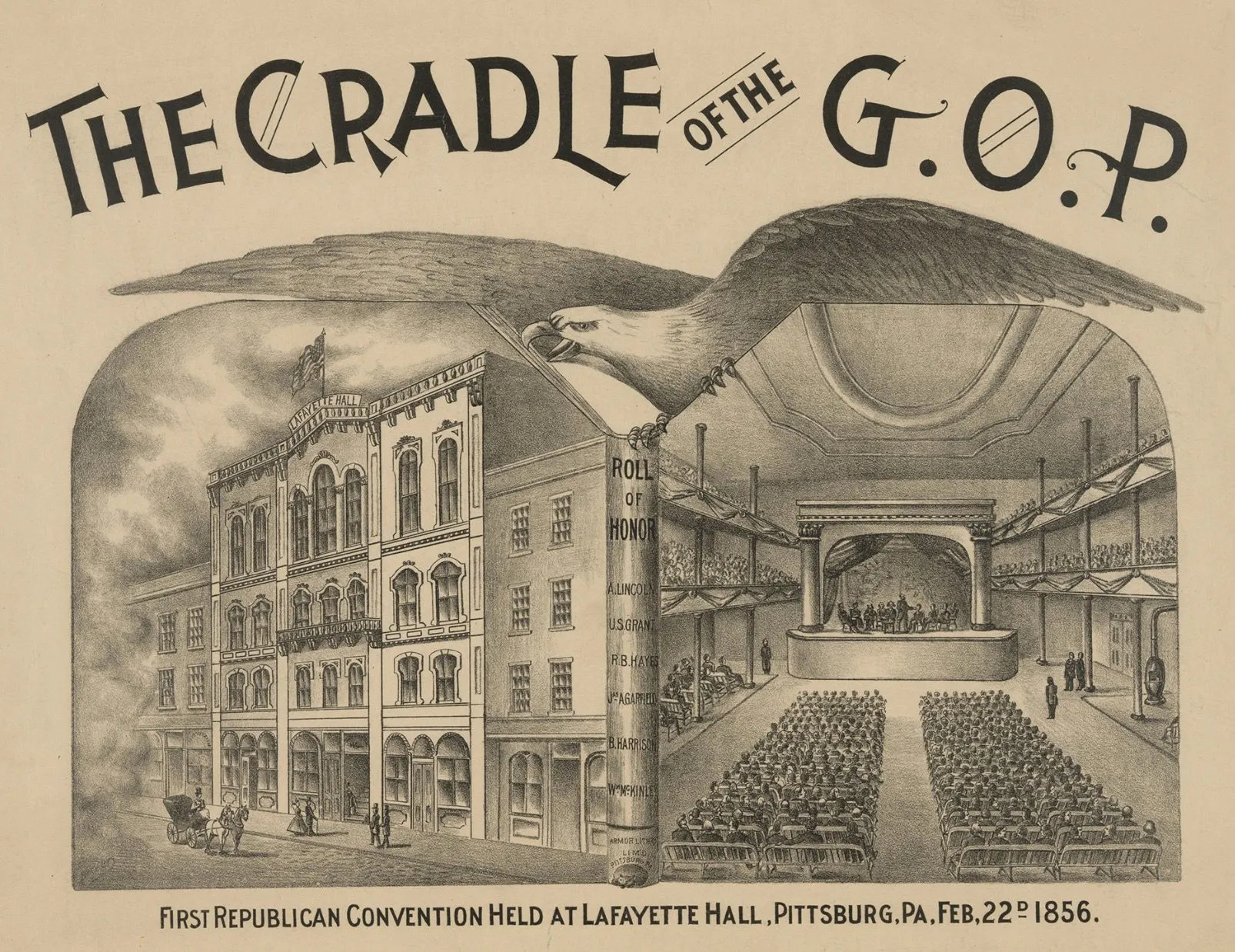
When Tradesmens National Bank tore down its three-story home to put up a 10-story skyscraper in 1895, it also demolished Lafayette Hall next door, the site of the first national convention of the Republican Party in 1856. At that meeting, the new political party announced its main aim: to stop the spread of slavery.
The Republican nominee lost that election to Pennsylvania Democrat James Buchanan, but the party fielded a candidate four years later who won the White House and change American history — Abraham Lincoln.
Many years later, the bank skyscraper was dismantled to make way for the blocky YWCA that stands on the corner now. Its opening marked the end of a history of segregation. Black women who once were expected to stick to their own branch in the Hill District were welcome in this new building.
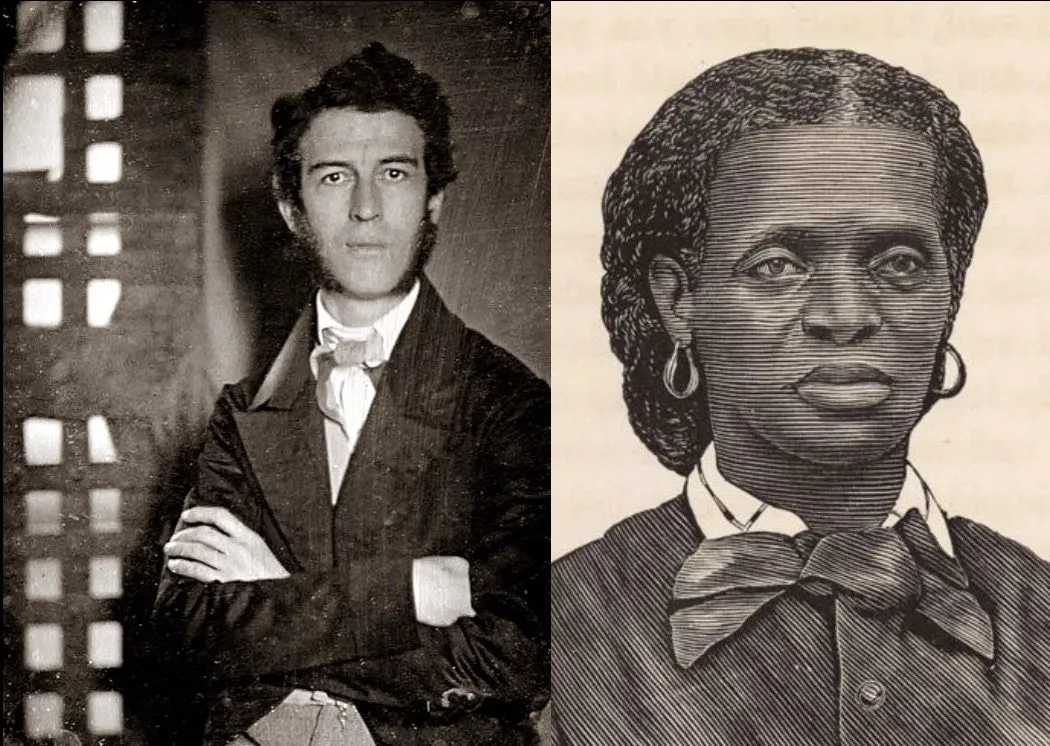
Passmore Williamson & Jane Johnson
An attendee at the 1856 Republican national convention, Passmore Williamson received a clamorous ovation from the crowd when he was announced. The Philadelphia abolitionist had been imprisoned for contempt of court after refusing to betray a formerly enslaved woman whom he dramatically helped to escape to freedom.
While traveling to New York with the North Carolina congressman who owned her and her two sons, Jane Johnson got word to abolitionists in Philadelphia that she wanted to be free. Pennsylvania law said enslaved people who entered the commonwealth were entitled to freedom, but a new federal Fugitive Slave Law appeared to countermand that.
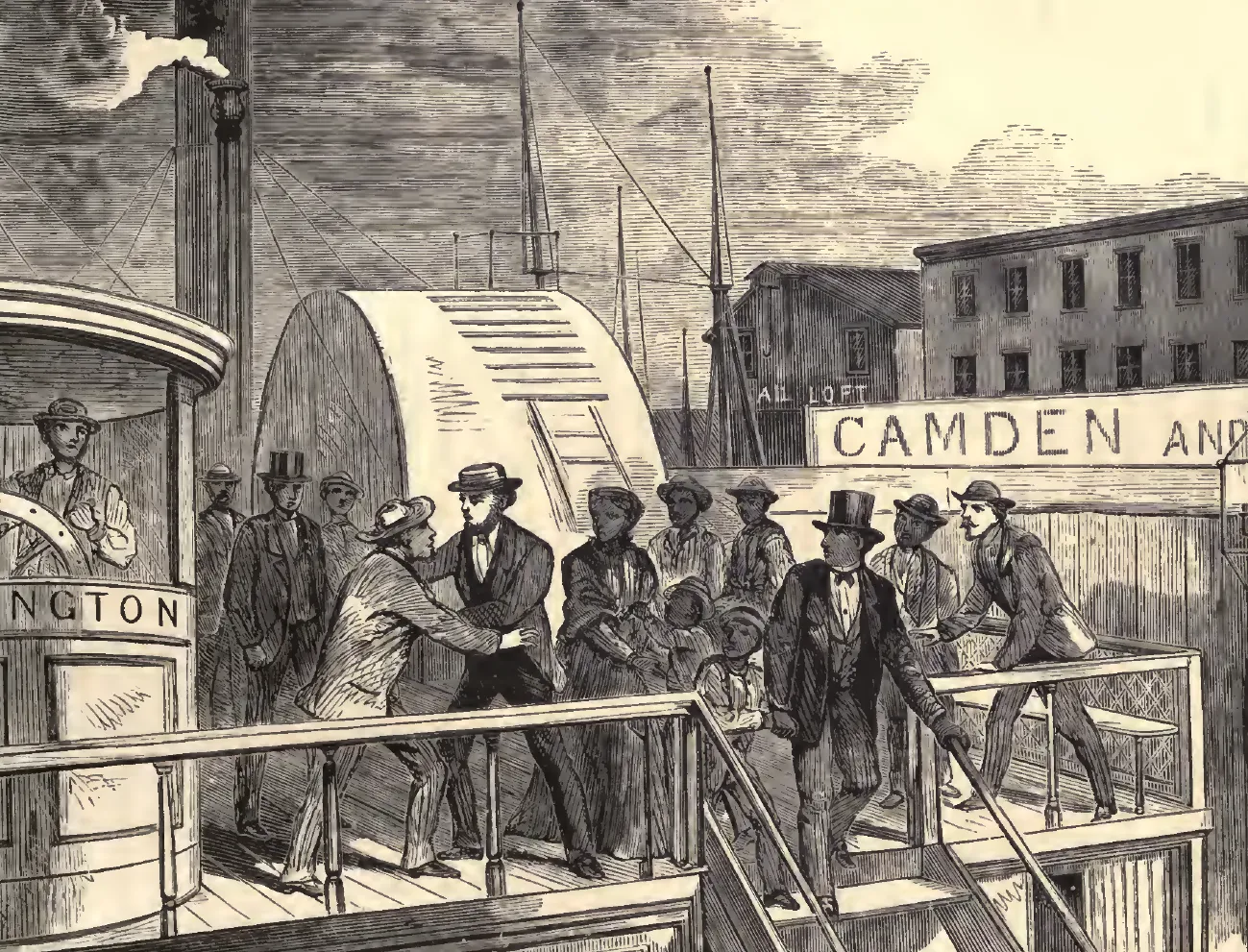
Williamson and six free Black men boarded a steamboat as it was about to depart with Johnson and her sons, and escorted them to safety over the angry protests of the outnumbered congressman. In a lawsuit that followed, Johnson risked her newfound freedom to testify on behalf of her rescuers. She lived the rest of her life in freedom, and one of her sons served in the infantry for the Union in the Civil War.
Dorothy Height
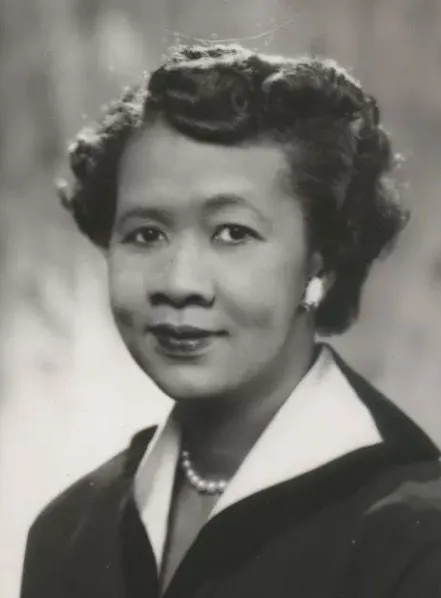
The daughter of a painter and a nurse who moved from Virginia to Rankin, a nearby factory town, Dorothy Height was photographed for a poster promoting a Pittsburgh YWCA youth group in 1924. But when she came downtown to the old YWCA to go for a swim, she was told Black people could not use the pool. The 12-year-old girl demanded to speak to the executive director, but was ultimately rebuffed.
In high school, Height won a state debating title, even after the hotel other contestants were using refused to admit her. After attending college at NYU on scholarship, Height took leading roles at Black YWCAs in Harlem and Washington, D.C. In 1946, she spearheaded a nationwide effort to desegregate all YWCAs, then went on to work with Martin Luther King.
On Height's last visit to the White House in 2010, President Barack Obama called her the “godmother of the civil rights movement.” He gave the eulogy at her funeral at the National Cathedral later that year.